
Every child’s journey through life is a story filled with laughter, learning, and love. Alongside parents, teachers, and friends, there’s another quiet hero playing a role: the plush toy. These soft, huggable companions are more than just playthings. From the perspective of a psychologist, the importance of plush toys extends deeply into the realms of emotional development, cognitive growth, and a sense of security.
Emotional Anchors: How Plush Toys Provide Comfort
Imagine the warmth of a familiar embrace on a cold day or the soothing sound of a lullaby during a restless night. That’s what a plush toy represents for a child. The importance of plush toys lies in their ability to offer a tangible sense of security. For a toddler navigating fears of the dark or the imaginary monster under the bed, a beloved stuffed bear becomes a protector and a friend.
Plush toys serve as transitional objects, a concept well-known in child psychology. These objects help bridge the gap between a child’s dependence on caregivers and their budding independence. Holding onto a soft, cuddly toy during times of stress or change helps children feel grounded, much like how adults might find solace in a comforting memory.
Building Imagination Through Play
Children are natural storytellers, weaving tales and creating worlds. A plush toy becomes a cast member in their imaginary theater. Whether it’s a daring rescue mission or a tea party with stuffed animals, the importance of plush toys shines in their ability to inspire creativity.
Playing with plush toys also supports cognitive development. When a child create scenarios for their plush friends, they’re practicing problem-solving, exploring relationships, and learning the nuances of cause and effect. This kind of imaginative play is a rehearsal for real-life social interactions and decision-making.
The Neuroscience of Touch: Why Plush Toys Matter
Touch is one of the first senses a child develops, and it remains a powerful tool for emotional and neurological growth. Soft, plush textures stimulate sensory pathways in the brain, helping children explore and process their environment. The importance of plush toys here goes beyond the surface — quite literally.
Research suggests that the tactile experience of holding a plush toy can lower cortisol levels (the stress hormone) and increase oxytocin (the bonding hormone). These effects create a calming loop, reinforcing a sense of safety and attachment. For a child, hugging a plush toy can mimic the warmth of a caregiver’s hug, providing comfort during moments of anxiety.
Plush Toys as Tools for Emotional Expression
Sometimes, words aren’t enough for a child to express what they’re feeling. This is where the importance of plush toys takes on a therapeutic role. Children often project their emotions onto their toys, talking to them or acting out scenarios. This role-playing allows them to process complex feelings in a safe and manageable way.
For example, a child upset about starting a new school might reenact their worries through their plush friend. This externalization helps them understand and cope with their emotions. As a psychologist, I’ve seen how plush toys become sounding boards, giving children the tools to navigate their inner worlds.

Social Skills and Friendship
Plush toys are often the first “friends” children make. Through these friendships, they learn empathy, responsibility, and social cues. The importance of plush toys extends to teaching kindness—feeding, tucking in, or caring for a stuffed animal mirrors the nurturing behavior they’ve experienced from adults.
These early lessons in caregiving lay the groundwork for forming relationships with peers. Plush toys are often companions on adventures, making them part of shared experiences. These shared narratives help children connect with others, fostering collaboration and understanding.
How Plush Toys Support Development at Different Ages
Each stage of development adds a new layer to the special bond between a child and their plush toy.
Infants and Toddlers
For the youngest children, the importance of plush toys begins with sensory stimulation. Soft toys with varied textures, colors, and sounds engage their developing senses. Babies explore the world through touch, and plush toys provide a safe and satisfying tactile experience.
Preschoolers
As imagination takes center stage, plush toys become characters in elaborate pretend-play scenarios. At this age, children use toys to express emotions, practice problem-solving, and even build early literacy skills by “reading” to their stuffed animals.
School-Age Children
For older kids, plush toys often shift from being play companions to comfort objects. They might not actively play with them, but the presence of a familiar toy on a bed or shelf offers a sense of stability. Plush toys also become keepsakes, holding sentimental value as children grow.
Top seller
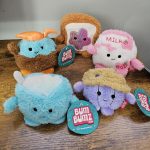
BumBumz 12-inch Plush – Rue Rainbow Cloud Collectible Stuffed Toy

The BumBumz 12-inch Plush – Rue Rainbow Cloud Collectible Stuffed Toy features a vibrant, cloud-inspired design with rainbow colors. Made from soft, high-quality materials, this plush is perfect for cuddling or as a decorative piece. A charming addition for collectors or those who love colorful, whimsical toys.
Plush Toys in Therapeutic Settings
The importance of plush toys isn’t confined to homes and playrooms. In therapy, they serve as bridges between therapists and children. A child reluctant to talk might open up while holding a stuffed animal. Plush toys can also be tools for role-playing exercises, helping children confront fears or practice social skills.
Additionally, in neurological therapy, plush toys aid in calming overstimulated children. The act of squeezing or stroking a soft toy helps regulate sensory input, making it easier for children to focus and engage in their surroundings.
Why the Right Plush Toy Matters
Texture, color, and even shape can stimulate sensory pathways in the brain. A soft, pleasant-to-touch surface stimulates tactile receptors, which helps your baby feel safe and reduces stress. Bright colors activate the visual pathways, helping to develop visual perception, and pastel shades have a calming effect, promoting emotional balance. The right plush friend forms healthy habits, helping your child to regulate emotions, cope with anxiety, and adapt to new things.
The Legacy of Plush Toys
Years from now, when your child looks back on their earliest memories, their plush toys will likely hold a special place. These toys become symbols of childhood—of nights spent reading under the covers, of tears wiped away, and of adventures shared.
The importance of plush toys transcends their immediate role in play. They become part of a child’s story, offering comfort, sparking imagination, and teaching lessons that last a lifetime.
Recommendation
If you’re looking for the perfect plush toy to support your child’s growth and bring them joy, explore the delightful collection at Bum Bumz. Each child will get their own toy. These lifelong companions are thoughtfully designed to spark imagination and provide comfort. Choose a Bum Bumz plush today and give your child a friend they’ll cherish forever.
FAQ
Plush toys provide comfort, security, and emotional support for children. They can act as a constant source of companionship, especially during times of fear, anxiety, or transition. Cuddling with a plush toy helps children feel safe, reduce stress, and develop emotional resilience, as it allows them to process their feelings in a non-threatening way. Plush toys often help children build self-confidence and cope with difficult emotions like sadness or loneliness.
Plush toys encourage imaginative play, which is crucial for developing social skills. Children often engage in pretend play with their plush toys, using them to interact and form social scenarios. This type of play helps children understand social cues, practice empathy, and enhance their communication skills by role-playing conversations and situations. Additionally, plush toys can teach children about sharing, cooperation, and conflict resolution as they interact with others and their toys.
Yes, plush toys are beneficial for cognitive development as they stimulate creativity and problem-solving skills. Through imaginative play, children create stories and scenarios involving their plush toys, which challenges their thinking and helps develop language, memory, and reasoning skills. For example, children may invent adventures or solve challenges for their plush toys, which encourages critical thinking. Plush toys also support language development as children engage in storytelling and dialogue, improving their vocabulary and communication abilities.
The Quiet Role a Bum Bumz Plush Plays Every Day
The article above makes the case well: a plush toy is not just a plaything but a source of comfort, security and imaginative growth. Bum Bumz were created to fill that role with a little extra magic. Because every Bum Bumz plushie is a named character with its own personality, it becomes a genuine companion in a child’s daily life — the friend at breakfast, the brave one at bedtime, the confidant for secrets too big to say out loud. Made by Russ, each Bum Bumz stuffed animal is soft and reassuringly weighty, so it feels present and dependable in a small pair of arms.
That constancy is where the importance really shows. A familiar BumBumz plushie can smooth the hard edges of childhood — starting nursery, sleeping in a new room, a first night away from home. The character gives the comfort a shape and a name, which helps children put words to what they feel. And because the range is collectible, a child can grow a small circle of Bum Bumz friends, each tied to a memory, a milestone or a mood.
In practice, a well-loved Bum Bumz plush tends to support a child in a few key ways:
- Comfort and self-soothing during transitions and stressful moments.
- Imaginative, story-led play that builds language and empathy.
- A sense of responsibility from “caring for” a named character.
- A keepsake that carries memories from toddlerhood into later childhood.
None of this asks a plush to be complicated — just present, huggable and full of character. That is precisely what Bum Bumz toys offer, which is why families find a single collectible Bum Bumz plush so often becomes one of the most important little things in a child’s world.
Over the years, that one important friend often becomes a small circle of them. Because BumBumz plushies are collectible, families tend to add characters at meaningful moments — a new sibling, a first day at school, a holiday — so the collection quietly becomes a timeline of a childhood. Each Bum Bumz stuffed animal holds a memory as much as it holds a hug, which is exactly why a simple, well-made collectible plush can end up mattering far more than its size or price ever suggested.